How much do you know about getting homeowners insurance? The right policy can give you the peace of mind you need to live comfortably in your home. Ultimately, your home is an investment and you’ll want to protect it. Homeowners insurance allows you to ensure the full value of your home.
In the event of an accident, you will be responsible for paying the deductible and depending on your policy, the typical homeowners insurance deductible can range from $500-$3000 or a small percentage of your total coverage. Whether you’re in the market for homeowners insurance or whether you’re already a loyal policyholder, it’s a good idea to be aware of your deductible. In the event of a disaster, you must be able to uphold your policy obligations to receive the full benefit you’re entitled to. Depending on the language of your policy, you may also be responsible for a small percentage of the damage. For this reason, we recommend creating a dedicated savings account and depositing the full amount of the deductible.
To help you select a policy, check out our list of some essential coverage components.
What Does Structural Coverage Include in Homeowners Insurance?
Structural coverage, often called dwelling coverage, helps pay to repair or rebuild your home if it is damaged by a covered event. It usually includes the house itself, attached structures, and built-in systems like plumbing, wiring, and HVAC. Coverage limits depend on your policy.
STRUCTURAL COVERAGE
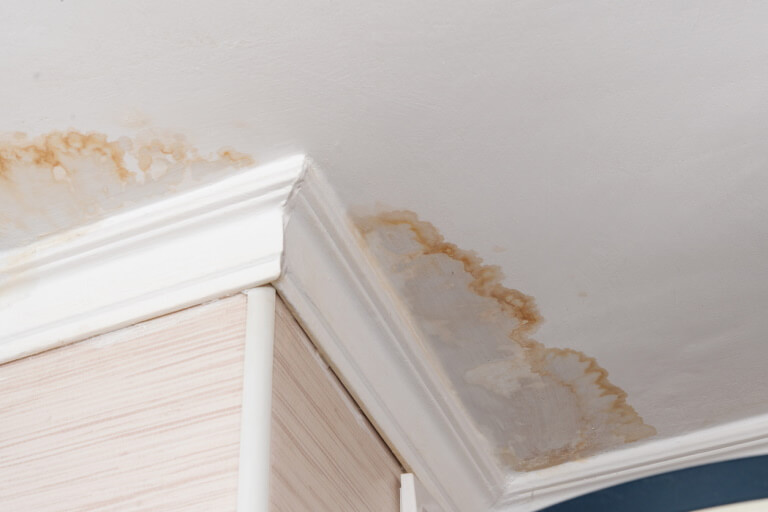
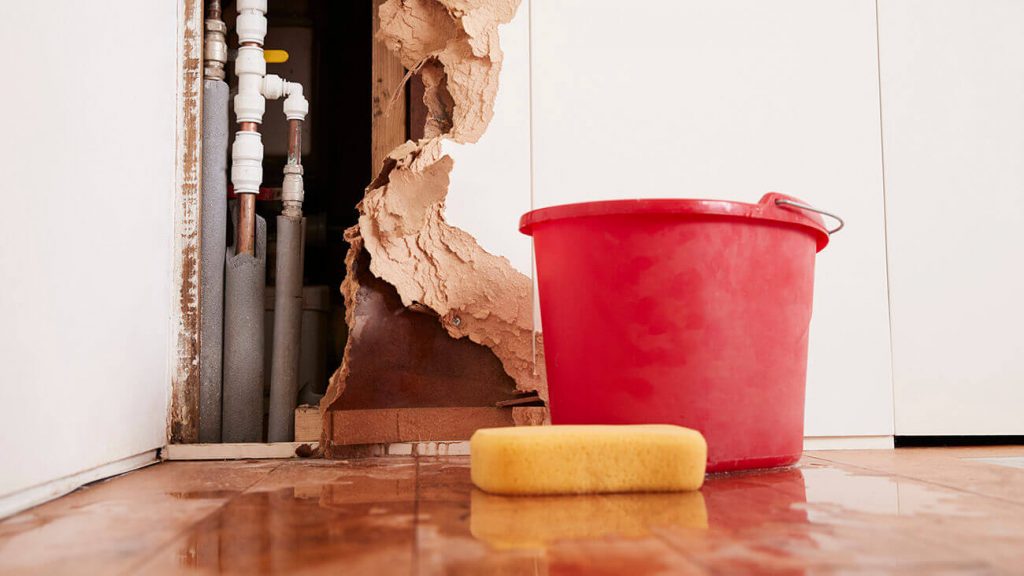
Although it can seem obvious, you’ll want to choose a policy that covers damage to your home resulting from fire, wind, water, and other disasters. You’ll also want to ensure any other structures on your property, including barns, tool sheds, and treehouses. These structures are part of your property and you should protect them! It’s important to have full structural coverage in the event or a fire or flood. The best method for determining the total replacement cost is to hire a builder to give you an estimate of the cost of rebuilding the entire home and other structures on the same land. Be sure you know what your financial responsibilities are in the event of a complete loss. Dealing with a homeowners insurance claim is very stressful, so it’s important to know that you have the coverage you need to rebuild.
CONTENT COVERAGE
Recently purchased a new television for the holidays? How about a new kitchen stove or refrigerator? You must properly note big-ticket items in your policy. Many insurance policies cover the cost of replacing your belongings in an amount equal to half the structural value of your home. So what does that mean in practice? For example, if rebuilding your home costs $300,000, then the contents of your home are insured for approximately $150,000. Want to learn more? Check out our article on personal property coverage to find out if you may need to purchase additional insurance. Furthermore, it’s a good idea to take a semi-regular inventory of your belongings so that they can be replaced if they are stolen or burned beyond recognition.
LIVING EXPENSES REIMBURSEMENT
If you must leave your home after an accident, your plan should cover those expenses. This is called a “loss of use” provision. Typically, your policy will cover hotel bills, restaurant meals, and even extra mileage on your car. The average coverage amount is equivalent to 20% of the insured value of your home. In this case, the objective of the policy is to help you maintain a normal standard of living while repairs are taking place.

Homeowners Insurance Policy Comparison
We’ve all seen those bright, cheerful ads offering us affordable and reliable homeowners insurance. It can be hard to sift through all the noise and choose homeowners insurance providers. It all starts with identifying your priorities, which is why we’ve compiled the following tips to help you figure out where to start! Read this list before you commit to your next insurance policy.
GET MULTIPLE QUOTES
Don’t settle for the first insurance provider that catches your eye. It’s important to get multiple quotes before selecting your homeowners insurance policy. Coverage needs can vary drastically, and different providers will always offer different pricing. Collecting quotes gives you leverage in policy negotiations. It’s a good idea to consult with the company that already handles your auto insurance as they may offer special incentives to bundle with them.
EVALUATE CLAIMS RESPONSE HISTORY
After a large loss to your home, you will need to ensure that your expenses are quickly reimbursed. Many new homeowners who have never filed a claim don’t know that they will be responsible for paying for their household repairs out of pocket before being reimbursed by their insurance company. This process makes it particularly important to select a provider you trust to prioritize your claim. Some insurers actually outsource client maintenance, so it’s important to find a company with a record of timely settlements. Additionally, it’s a good idea to see how many customers are dissatisfied with their settlements. Companies who chronically undervalue claims will receive poor ratings.
LOOK FOR OPEN ENDED WORDING
It’s unfortunate, but if you’re not careful, some insurers will try to transfer the risk to you. For example, in the case of severe rain, there can even be caveats in your policy that allow your provider to deny or reduce your claim based on the age of your roof. Watch out for wording that asks you to pay a percentage of your home’s value. Depending on your property value this can quickly translate to a $10,000-$30,000 minimum in out of pocket costs. It’s important to know exactly how much risk you’re taking on so that you can make an informed purchase. Additionally, be sure to ask about rate increases in the event of a claim. Many homeowners avoid filing small claims because they fear the increased premiums. As you’re shopping around, try to get an idea of potential repercussions to a filing.
PERFORM A COMPANY HEALTH CHECK
One of your greatest weapons as a consumer is the Better Business Bureau. The BBB is a non-profit organization that exists to create a system of accountability for businesses. Search the site and read through reviews, complaints and general customer feedback. Client reviews and the response of the business will give you a sense of what to expect from your working relationship. You will also have a chance to review the business responses to feedback.
Coverage
Before you sign on the dotted line, be sure you have a full understanding of the limits of your homeowners insurance policy. Most standard homeowners insurance policies include four essential types of coverage:
- Coverage for your home’s structure
- Personal property coverage
- Liability protection
- Additional living expense coverage
As with any contract, it is best to read through all the material to ensure you have a thorough understanding of what your policy covers. Here is an overview of what you can generally expect from a typical homeowners insurance policy.
COVERAGE FOR YOUR HOME’S STRUCTURE
In most cases, a homeowners insurance policy will cover repairs to a home damaged or destroyed by a fire, storm, hurricane, or another natural disaster. Examples of disasters that are not typically covered include floods and earthquakes. Additionally, homeowners insurance does not typically cover routine wear and tear. Most policies include some coverage of detached structures such as garages, gazebos, or sheds. When considering homeowners insurance policies, be sure to purchase enough coverage to rebuild your home in case the need arises.
PERSONAL PROPERTY COVERAGE FOR YOUR BELONGINGS
In cases of theft, fire, etc., your insurance will usually cover furniture, clothes, jewelry, appliances, and other personal items. Personal property insurance coverage includes property stored off-premises as well as trees, plants, and shrubs. Some items, such as fine art and collectibles, may be subject to a dollar limit in the case of theft. Be sure to keep an extensive inventory of your personal items. Include photos and/or videos to prove the quality of the items. Keep receipts to prove ownership and value. Interested in learning more about protecting yourself from theft? Check out our article What to Know About Theft Claims!
LIABILITY PROTECTION
Liability covers you against lawsuits for bodily injury or property damage that you, a family member, or a pet may cause to other people. The liability portion of your policy should cover the cost of defending you in court. Coverage and liability needs will vary according to various factors, and it is always a good idea to discuss whether you should purchase a higher level of protection with an insurance agent.
DISPLACEMENT AND ADDITIONAL LIVING EXPENSES COVERAGE
This coverage applies to costs incurred when you cannot live in your own home due to damage from an insured disaster. This includes expenses such as hotel bills and restaurant meals. Of course, coverage of additional living expenses often has limits, sometimes even a time limit. If you rent all or a portion of your home, additional living expense coverage might cover the rent you would have collected if the property had not been destroyed. Remember that additional living expenses are only covered when a displacement is the result of a covered loss.
A thorough understanding of your homeowners insurance policy will help you protect your home and belongings. Be sure to discuss your priorities and concerns with your insurance agent before deciding on a specific policy.

Cost Factors
Are you overpaying for homeowners insurance? Every policyholder dreads the day they have to file a claim. At Avner Gat, Inc., we understand that you want to be sure you’re covered, but you don’t want to pay for more protection than you need. Typically, when you purchase an insurance policy, your agent or broker will explain the reasoning behind your rate. For example, when you purchase auto insurance, your policy might be more expensive based on previous accidents and police reports. Unfortunately, when it comes to homeowners insurance, many people are not fully aware of the factors that influence homeowners insurance cost.
Whether you’ve renewed an existing policy for years or whether you’re shopping for coverage, we’ve compiled a list of factors that can influence your homeowners insurance cost:
HOUSE SIZE
The size of your home is an important factor in determining your insurance costs because the additional space means more room for accidents! Moreover, the materials used in the construction of your home can also impact policy cost. If your home was built with expensive, premium materials, the insurance cost will rise.
AGE OF YOUR HOME
In addition to the size, the age of your home is a sticking point for many people. Older homes are more susceptible to wear and tear. If your home was built more recently, you can expect to see a lower premium.
PETS
It may surprise you to know that your furry family members can drive up the cost of homeowners insurance! Certain large dog breeds such as Pitbull can raise your rates because the insurance company doesn’t want to cover any accidents or bites. It’s important to inform your insurance company of any pets you have because they may not cover accidents resulting from an undeclared animal.
DEDUCTIBLE
When you willingly take on a higher deductible, it shows the insurance company that you’re serious about protecting and caring for your home. If you choose to take on more financial responsibility and increase your deductible, you may be able to lower your monthly premiums.
CREDIT SCORES AND INCENTIVES
Did you know that your credit score can lower your insurance rates? Some companies believe that people with a higher credit score are more likely to perform regular maintenance on their property. You may also notice lower rates if you participate in incentive programs. Many insurers offer discounts for purchasing other policies with them, such as auto insurance.
CLAIMS HISTORY
Have you filed a claim before? If you’ve already used your policy to file a claim, there’s a good chance that it will raise the cost of your policy. Some homeowners will choose not to make claims for smaller accidents to avoid this consequence.
It’s a good idea to review your policy every year and ensure you have proper coverage. As you perform repairs and renovations, the value of your home can fluctuate. Furthermore, you can even see changes in property value as your neighborhood expands and grows. In turn, this can alter the replacement cost outlined in your policy. Periodic review is a great strategy to make sure you’re not caught off guard in the event of an accident.
USING AN INSURANCE AGENT
Homeowners Insurance Policies are very difficult to understand. The wording used by insurance companies on their policies might be very confusing to those without experience reading and interpreting such documents.
We recommend buying a homeowners insurance policy from an established insurance agent!