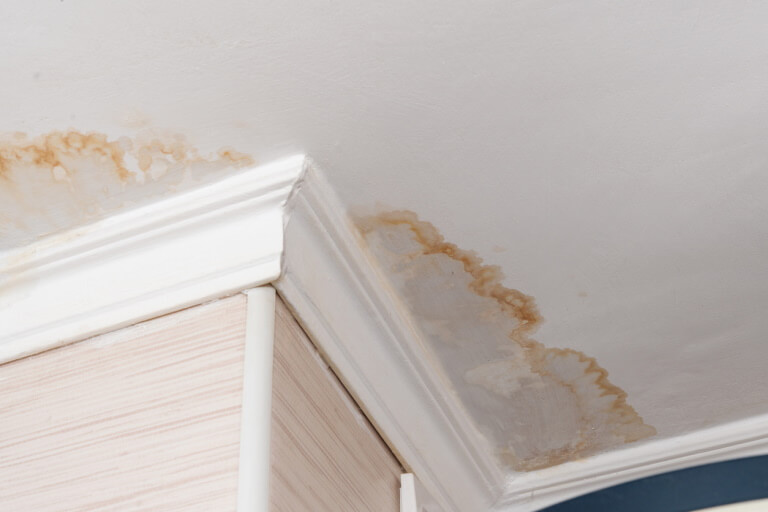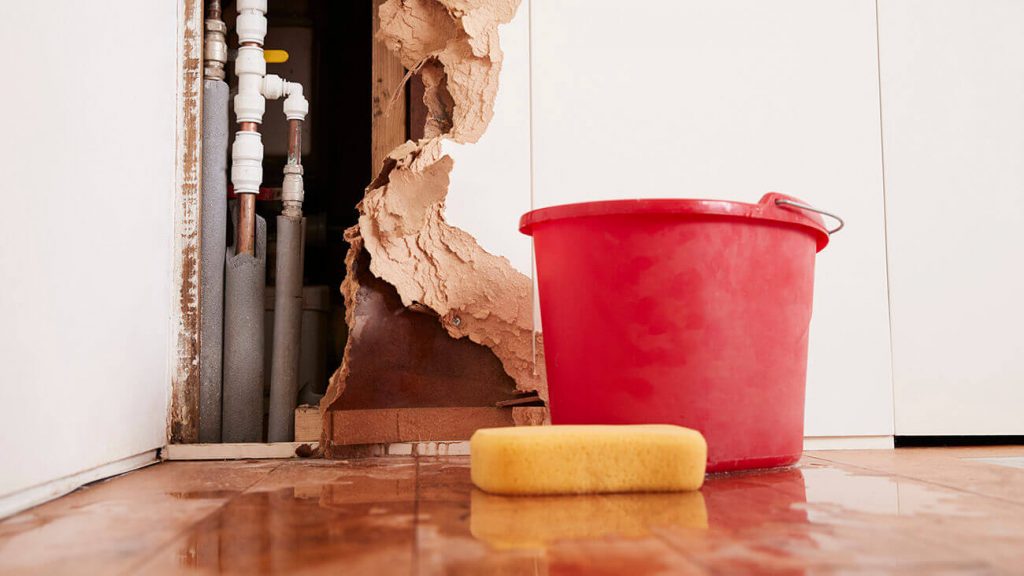
Water damage and freezing account for roughly 22.6% of all homeowners insurance claims, making them the second most common cause of property loss behind wind and hail, according to the Insurance Information Institute (Triple-I), based on ISO data from 2023. About one in 60 insured homes files a water damage or freezing claim in a typical year, and the average claim severity for this loss category ran $15,400 over the 2019–2023 period.
Despite how common these claims are, the process of filing one is rarely straightforward. Homeowners policies distinguish between water damage that is sudden and accidental and damage that results from neglect, gradual water intrusion, or flooding, and that distinction affects how the claim is handled. Insurers also apply different rules depending on the source of the water, the age of the damage, and the property type involved.
This guide walks through what a standard homeowners policy covers, the exact steps to take when filing a water damage claim, and how insurance adjusters evaluate and negotiate these losses. It also covers common settlement considerations, common disputes that arise during the claims process, and how coverage differs for different residential property types.
Filing a water damage claim correctly from the first phone call can materially affect the claims process. Homeowners who document damage properly, understand their policy's exclusions, and follow the insurer's required steps in order can provide stronger documentation when negotiating their claim.
Need help with a California water damage claim? Call Avner Gat, Inc. before you file. The first call is free, and our team can help you understand what your policy actually covers.
What Homeowners Insurance Covers (and Doesn't) for Water Damage
A standard homeowners policy (HO-3) covers water damage that is sudden and accidental, such as a burst pipe or a washing machine hose failure, but excludes damage from flooding, gradual water intrusion, and lack of maintenance. The dividing line insurers apply is whether the water loss happened suddenly from an internal source or built up gradually over time. Coverage applies up to the policy's dwelling and personal property limits, minus the deductible, and is paid at either actual cash value or replacement cost depending on the policy terms. Insurers evaluate two questions for every water claim: what caused the water to escape, and how quickly the damage occurred. A pipe that fails overnight during a freeze is treated differently than one that has been seeping behind a wall for months, even though both produce similar-looking damage to drywall and flooring.
Water Damage That's Typically Covered
Homeowners insurance typically covers water damage from a sudden, accidental internal source, including burst pipes, appliance malfunctions, and storm-created roof damage. Covered scenarios include a washing machine supply hose that ruptures, a dishwasher that malfunctions during a cycle, a water heater that fails suddenly, and a toilet supply line that breaks. Damage from ice-dam backups and wind-driven rain entering through a storm-damaged roof or window is also typically covered, since the opening itself resulted from a covered peril. The common thread across these examples is that the loss originates inside the home's own plumbing or appliance systems and happens abruptly rather than building up over an extended period.
Water Damage That's Usually Excluded
Homeowners insurance usually excludes water damage caused by flooding, gradual water intrusion, and deferred maintenance. Flood damage from rising rivers, storm surge, or surface water runoff is excluded from every standard HO-3 policy and requires a separate flood policy. Water that seeps behind walls for weeks or months before causing visible damage is excluded because the loss did not happen suddenly. Sewer backups and sump pump overflows are excluded unless the homeowner has purchased a separate water backup endorsement. Damage from a home left vacant and unheated during freezing weather, or from a known, unrepaired water intrusion problem, is also excluded under most maintenance-related policy language.
Water Damage vs. Flood Damage: Why the Distinction Matters
Water damage and flood damage are covered under two entirely separate insurance products, and this distinction determines whether a homeowner has any coverage at all for a given loss. Homeowners insurance covers sudden, accidental water damage from internal sources like burst pipes and appliance failures, while flood insurance covers water that enters from outside the home due to rising water. The National Flood Insurance Program (NFIP), administered by FEMA, defines a flood as a general and temporary condition of partial or complete inundation of two or more acres of normally dry land, or two or more properties, caused by overflowing inland or tidal waters, unusual and rapid runoff of surface water, or mudflow. Because this definition is specific to external, large-scale water events, a basement that floods from a burst interior pipe is a water damage claim, while the same basement flooding from a nearby river overflowing its banks is a flood claim that a standard homeowners policy will not pay. NFIP flood policies cover up to $250,000 in building damage and $100,000 in personal property, subject to a 30-day waiting period before coverage takes effect, so this coverage cannot be purchased reactively once flooding is imminent. Homeowners in federally designated high-risk flood zones with a government-backed mortgage are generally required to carry flood insurance, while homeowners outside those zones can purchase it voluntarily through the NFIP or a private flood carrier.
Common Causes of Water Damage Claims
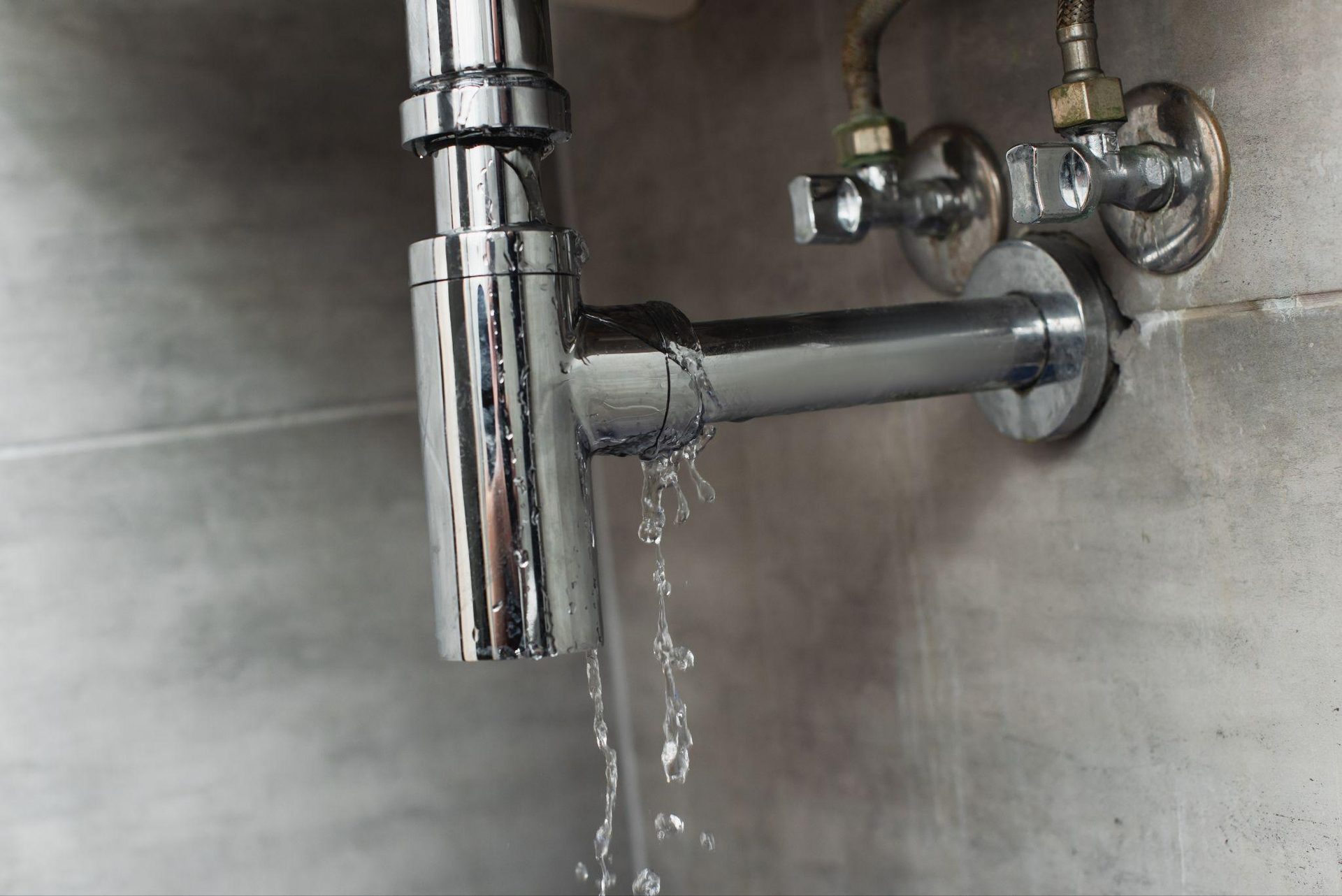
The most common causes of water damage claims are burst or broken pipes, slab water intrusion, water heater and appliance failures, basement and foundation water intrusion, and hidden or long-term water intrusion. Each cause is evaluated differently by an insurer because coverage depends on whether the damage was sudden or gradual, and whether the source was internal plumbing, an appliance, or groundwater. Aging plumbing and appliances are a growing driver of these claims: the average age of drinking water and wastewater pipes in the ground in the U.S. is about 45 years, according to the American Society of Civil Engineers, which increases the likelihood of sudden pipe failures in older homes.
Burst and Broken Pipes
Burst and broken pipes are among the most frequent triggers of a water damage claim, typically caused by freezing temperatures, corrosion, or sudden pressure changes in the plumbing system. A pipe that bursts during a cold snap and floods a wall cavity or ceiling is a textbook example of sudden, accidental damage, which is why burst-pipe claims are among the most reliably covered water losses under a standard policy. Coverage applies to the resulting water damage to floors, walls, and belongings, though many policies exclude the cost of repairing or replacing the pipe itself unless a specific endorsement covers that expense.
Slab Water Intrusion
Slab water intrusion happens when water escapes from a pipe running beneath a home's concrete foundation, and it is covered by insurance only when the pipe failure itself resulted from a covered peril, such as sudden freezing or accidental damage. Because this type of damage occurs out of sight, it is often detected only after a homeowner notices an unexplained spike in the water bill, warm spots on the floor, or the sound of running water when no fixtures are in use. Locating the source of the water generally costs $150 to $400, and repairing the pipe and surrounding concrete typically adds another $2,000 or more. Homeowners insurance may pay for water damage to flooring, drywall, and cabinets caused by the escaping water, but many policies exclude the cost of the plumbing repair itself.
Water Heater and Appliance Failures
Water heater and appliance failures are typically covered when the failure is sudden, such as a water heater tank rupturing or a refrigerator ice maker line failing unexpectedly. Covered appliance failures generally include washing machine hose ruptures, dishwasher failures during a cycle, and water heater tank failures. Insurers distinguish this from an appliance that has been slowly losing water for an extended period, which falls under the gradual-damage exclusion. Homeowners who notice a slow drip from an appliance should have it repaired immediately, since a documented, ignored problem can affect coverage if it later causes larger damage.
Basement and Foundation Water Intrusion
Basement and foundation water intrusion is covered by homeowners insurance only when the water entered through a covered peril, such as a burst interior pipe, and not when the cause is groundwater seepage, storm surface runoff, or long-term foundation cracking. A basement that floods because a sump pump fails or a sewer backs up is excluded from a standard policy unless the homeowner has added a water backup endorsement, which typically carries a $5,000 to $25,000 sub-limit and costs $50 to $250 per year. Foundation settling and the gradual intrusion of groundwater through basement walls are treated as maintenance issues rather than insurable losses.
Hidden or Long-Term Water Damage
Hidden or long-term water damage is generally excluded from homeowners insurance because standard policies only cover water loss that is sudden and accidental, not damage that developed gradually and went undetected. Wood rot and structural deterioration that accumulate behind walls or under flooring over weeks or months fall outside a standard policy's covered-peril language, even when the underlying source, such as a pipe, would otherwise be covered. Insurers investigate the timeline of a claim to determine whether damage is recent and sudden or long-standing.
Should You File a Water Damage Claim?
Filing a water damage claim is a decision homeowners should make based on their policy, deductible, the extent of the damage, and the circumstances of the loss. Homeowners should review their policy and speak with their insurance professional to understand the potential implications before deciding whether to file.
When Filing Makes Sense
Filing a water damage claim may be appropriate when the repair cost significantly exceeds the deductible and the cause of loss is a covered, sudden event, such as a burst pipe or appliance failure. Large losses involving structural repair or flooring replacement may require the claims process to address the scope of the damage. Filing may also be relevant when the damage affects habitability, since many policies include additional living expense coverage that can address temporary housing costs while repairs are underway.
When to Consider Paying Out of Pocket
Paying out of pocket may be worth considering when the repair cost is close to or only slightly above the deductible. Homeowners should consider their policy terms, deductible, and individual circumstances when deciding how to proceed. Homeowners with a history of prior claims on the same property should review their policy and discuss the situation with their insurance professional before making a decision.
How a Claim Affects Future Premiums
A water damage claim may affect a homeowner's future insurance costs, depending on the insurer, policy, claim history, and other factors. Insurers may review a property's claims history when underwriting a new or renewing policy. Weather-related claims can be treated differently from other claims depending on the circumstances and applicable California insurance rules.
Not sure whether filing makes sense for your situation? Talk to Avner Gat, Inc. about your policy before you decide — there's no retainer, and it costs nothing to ask.
How to File a Water Damage Insurance Claim: Step-by-Step
Filing a water damage insurance claim involves six main steps: stopping the damage, documenting the loss, contacting the insurer, meeting the insurance adjuster, gathering repair documentation, and reviewing the settlement. Completing these steps promptly after discovering the damage helps create a clear record of the loss. Most insurers require notice of a loss as soon as reasonably possible, so homeowners should review their policy for applicable reporting requirements.
Step 1: Stop the Damage and Prevent Further Loss
The first step in a water damage claim is to stop the source of the water and take reasonable measures to prevent further loss, such as shutting off the main water valve or moving belongings away from standing water. Homeowners policies generally require the policyholder to mitigate ongoing damage, and failing to do so can affect the amount an insurer considers for damage that occurred after the loss was discovered. Locating the main and any localized shutoff valves before an emergency happens allows this step to be completed within minutes rather than hours.
Step 2: Document Everything
Documenting everything means photographing and video-recording the damage, the source of the water, and any affected belongings before cleanup or repairs begin. Photographs should be taken from multiple angles and dated, and a written inventory of damaged items with estimated replacement values can help document the claim. A 2023 Triple-I/Munich Re Consumer Survey found that 47% of homeowners had prepared a pre-loss inventory of their possessions, which can make the documentation process easier compared with reconstructing an inventory from memory after the loss.
Step 3: Contact Your Insurance Company
Contacting the insurance company as soon as the damage is discovered starts the formal claims process and creates a documented timeline for the loss. Most insurers provide multiple channels for reporting a loss, including a claims phone line, a mobile app, or an online portal, and the report should include the date and cause of the loss, a description of the damage, and any immediate mitigation steps already taken. Homeowners uncertain about the claims process can ask their insurer or agent about applicable policy requirements before formally filing.
Step 4: Meet the Insurance Adjuster
Meeting the insurance adjuster involves walking through the property with them so they can assess the damage firsthand and prepare their assessment of the covered loss. The insurer typically assigns a staff or independent adjuster within a few business days of the claim being filed, and the homeowner should have their documentation and photos ready before this visit. Being present during the inspection and pointing out damage that might not be immediately visible, such as moisture under flooring, helps ensure the adjuster's assessment addresses the reported scope of the loss.
Step 5: Gather Repair and Restoration Documentation
Gathering repair and restoration documentation from licensed contractors can provide an independent basis for comparison against the insurance company's damage assessment. Documentation should identify the work required, materials involved, and other relevant repair details. Any specialized work should be documented so the information can be provided to the insurer as part of the claims process.
Step 6: Review Your Settlement
Reviewing the settlement means checking the insurer's itemized breakdown against the documented repair costs and policy provisions. Settlement terms can be discussed and negotiated when the documented scope of the loss differs from the insurer's assessment. The claims process can take between 5–7 months on average, depending on the circumstances and complexity of the claim. The claims process is ongoing, and homeowners can submit additional receipts and documentation for damages as repairs progress and additional information becomes available.
Working With Your Insurance Adjuster
Working effectively with an insurance adjuster means preparing specific questions before the inspection and understanding when the size or complexity of a claim may warrant hiring a public adjuster to assist the homeowner. The adjuster assigned by the insurance company works on behalf of the insurer, not the policyholder.
Questions to Ask During the Inspection
Homeowners should ask the adjuster what specific damage is covered under the policy, how the settlement amount was calculated, and what documentation is still needed to continue processing the claim. Useful questions include whether payment is based on actual cash value or replacement cost and what the timeline is for receiving payment.
When to Bring In a Public Adjuster
A public adjuster works exclusively for the policyholder rather than the insurance company and can assist homeowners with documenting, evaluating, and negotiating covered property damage claims. Hiring a public adjuster is often a useful step to consider before pursuing an attorney, since a public adjuster can resolve many disputes through documentation and negotiation alone. Public adjusters typically work under a contingency-based contract, with the agreed percentage specified in the contract.
Avner Gat, Inc. is licensed by the State of California and has 20 years of experience assisting property owners with residential and commercial property insurance claims. We do not charge any retainer. We are on a contingent-fee basis only. If we collect money from your insurance carrier for you, we will charge you our agreed percentage.
Adjusters do not file a claim for the homeowner. The homeowner files the claim with their insurance carrier, and the public adjuster assists with the claim once it has been filed.
How Insurance Settlements Are Determined for Water Damage
There is no guaranteed settlement amount for an individual water damage claim. The amount involved depends on the policy, coverage limits, deductible, documented scope of damage, and the circumstances of the loss. Avner Gat, Inc. and its team work to fight for the settlement our clients are owed under their applicable insurance policy.
What Affects Your Settlement Amount
The settlement amount for a water damage claim is affected primarily by the category of water involved, the extent of the affected area, the policy's coverage limits and deductible, and whether payment is based on actual cash value or replacement cost. Restoration professionals classify water into three categories: Category 1 (clean water from a supply line or appliance), Category 2 (gray water from sources like a washing machine or dishwasher), and Category 3 (black water from sewage or flooding), with cleanup and remediation costs rising significantly from Category 1 to Category 3 due to sanitation requirements. A claim's final amount is also affected by the applicable deductible and any relevant coverage sub-limit when the damage falls under a limited-coverage provision rather than the dwelling's full limit.
Documenting Your Water Damage Insurance Claim
A well-documented water damage claim depends on consistent documentation and communication habits, working with reputable restoration companies, and avoiding common mistakes that can complicate the claims process. Homeowners who treat the claims process as methodically as the insurer does can provide stronger documentation of the damage and repair needs.
Documentation and Communication Habits
Strong documentation and communication habits include photographing damage before cleanup, keeping a written log of every call and email with the insurer, and promptly reporting any change in the scope of the damage as repairs progress. Homeowners should request that the adjuster provide any coverage decision or valuation explanation in writing rather than relying on a verbal summary. Maintaining copies of receipts for emergency repairs, temporary housing, and mitigation supplies can help document costs that may be addressed under the policy's additional living expense or loss-mitigation provisions.
Working With Restoration Companies
Working with a licensed, insurance-experienced restoration company helps ensure repair documentation is itemized in a format insurance adjusters can review. Restoration companies that specialize in insurance claims typically document moisture levels, drying progress, and material removal with photographs and equipment logs, which can support the claim if the insurer questions the extent of the work performed. Homeowners should confirm that any restoration company they hire is licensed, insured, and willing to work directly with the insurance adjuster.
Common Mistakes That Can Affect a Claim
Common mistakes include delaying the initial report, discarding damaged items before they are photographed, and accepting the first settlement offer without comparing it to available repair documentation. Skipping mitigation steps, such as failing to shut off a failing supply line promptly, can also affect how the insurer evaluates damage that occurred after the loss was first discovered. Homeowners should keep records of prior repairs and current damage so the insurer can distinguish the current loss from previous property conditions.
Common Problems With Water Damage Claims
Common problems with water damage claims include disputes over coverage, disagreements about what caused the damage, delayed payments, and disputes involving contractor-caused damage. Each of these issues typically stems from questions about whether a loss meets the "sudden and accidental" standard required for coverage, or from delays in inspection, documentation, or contractor scheduling.
Disputes Over Coverage
Water damage claims can become disputed when the insurer determines the loss resulted from gradual damage, lack of maintenance, or an excluded peril such as flooding rather than a sudden, covered event. Homeowners who disagree with an insurer's position can review the applicable policy language, provide additional documentation, and discuss the matter with the insurer.
Disagreements Over the Cause of Damage
Disagreements over the cause of water damage typically center on whether the loss was sudden and accidental or developed gradually over time, since that determination can affect whether the claim is covered. Insurers may rely on moisture readings and the condition of surrounding materials to assess how long water may have been present, and homeowners can provide an independent plumber's or engineer's report identifying the specific failure point and its likely timeline. These questions are common with slab water intrusion and hidden pipe failures, where the exact onset of the damage can be difficult to pinpoint.
Delayed Payments
Delayed payments can result from incomplete documentation, disputes over the scope or cause of damage, or a backlog of claims following a regional weather event. Homeowners can help reduce delays by submitting complete documentation and contractor information promptly, following up in writing at regular intervals, and requesting a specific timeline from the adjuster at each stage of the process.
Contractor-Caused Damage Disputes
Contractor-caused damage disputes arise when repair or restoration work performed after the original loss creates new damage, and the insurer and contractor disagree over who is responsible for the added cost. These disputes can occur when a restoration company's drying or demolition work exposes additional damage that was not part of the original claim, since the insurer may treat that discovery as a separate issue requiring its own documentation and approval. Homeowners should require any restoration contractor to document the property's condition before beginning work and to communicate directly with the adjuster about any newly discovered damage before proceeding with additional repairs.
Water Damage Claims by Property Type
Water damage claims are handled differently depending on the type of residential property and the applicable policy. Understanding which policy applies to which part of the loss, including the structure and personal property, is essential to working with the correct insurer.
Condo and Renters Insurance
Renters insurance covers a tenant's personal property against sudden, accidental water damage, while damage to the building's structure, plumbing, and built-in appliances falls under the landlord's or condo association's policy. A pipe that bursts and ruins a renter's furniture and electronics is addressed under the personal property section of a renters policy, subject to its terms and deductible, while the same burst pipe's damage to drywall and flooring may fall under the landlord's responsibility. Neither renters nor condo unit-owner policies cover damage from outside flooding, which requires a separate flood policy regardless of whether the unit is owned or rented.
Landlord Policies
Landlord insurance policies cover the rental dwelling's structure, other structures on the property, and lost rental income when a covered water loss makes the unit uninhabitable, but exclude flood damage, gradual water intrusion, and damage occurring while the property sits vacant beyond a specified period, typically 30 to 60 days. Because landlords don't occupy the property, these policies generally provide limited or no coverage for a tenant's personal belongings, which remain the tenant's responsibility under their own renters policy.
Wells and Private Water Systems
Coverage for wells and private water systems depends on whether the well is attached to the home, which falls under dwelling coverage, or detached, which falls under the "other structures" coverage that also protects sheds and detached garages. Standard policies generally cover well components damaged by a covered peril such as fire, storm, or vandalism, but exclude mechanical failure, drought-related dry wells, and normal wear and tear on aging pump equipment. Homeowners who rely on a private well can add equipment breakdown coverage or a service line endorsement to fill these gaps, since a well pump or underground supply line that fails from age or an electrical fault is not covered by a standard homeowners policy without one of these add-ons.
Dealing with a water damage claim in California?
Avner Gat, Inc. has 20 years of experience helping California property owners document and negotiate residential and commercial water damage claims.