A public adjuster is a state-licensed insurance professional who represents the policyholder, not the insurance company, when a property damage claim is filed. A homeowner or business owner hires a public adjuster directly, in the same way a person hires an attorney, to manage the technical and administrative work of an insurance claim from the initial damage assessment through final settlement.
Property insurance claims involve policy language, damage valuation, and documentation requirements that most policyholders do not encounter regularly. A public adjuster applies specialized knowledge of policy terms, building costs, and claims procedure to represent the insured's financial interests throughout the process. This role differs from the adjuster the insurance company sends to review the same loss, since that adjuster is employed or contracted by the insurer.
Public adjusters work on property claims such as fire, water, wind, hail, and business interruption losses. They do not handle liability claims, such as auto accident injury claims or general liability disputes, because state law limits their authority to first-party property claims made under the policyholder's own insurance policy.
Licensing requirements, permitted fee structures, and scope of practice for public adjusters vary by state. Most U.S. states require a public adjuster license issued by the state department of insurance, along with a bond, examination, and continuing education to maintain the license. Avner Gat, Inc. is licensed by the State of California and serves California property owners exclusively.
Considering hiring a public adjuster? Contact Avner Gat, Inc. to talk through your claim — we do not charge any retainer, and we are on a contingent-fee basis only.
What Does a Public Adjuster Do?
A public adjuster manages an insurance claim on behalf of the policyholder by bringing in experts to assess the damage, interpreting the policy, preparing and submitting the paperwork, and negotiating the settlement with the insurance company. The role covers every stage of the claims process, from the first property assessment to the final payment.
A public adjuster's work begins before a claim is filed and continues until the insurer issues payment. Because the public adjuster represents only the insured, every task performed during the claim is directed toward documenting the full extent of the loss and securing payment consistent with the policy terms. The three core functions of this work are damage assessment and documentation, policy interpretation, and claim negotiation.
Damage Assessment and Documentation
Damage assessment and documentation is the process by which a public adjuster coordinates a review of the property, records the full scope of the loss, and compiles evidence to support the claim. This step establishes the factual record that the rest of the claim relies on.
The public adjuster brings in qualified experts to inspect visible and hidden damage, measure affected areas, and photograph or video the loss. The adjuster then uses the experts’ reports and the contractor’s estimate to prepare a detailed summary of the loss, and the adjuster gathers supporting evidence such as receipts, contractor quotes, and pre-loss property records. Thorough documentation reduces the likelihood that the insurer undervalues or omits damaged items from the settlement.
Negotiation, and Settlement
Negotiation and settlement is the process by which a public adjuster submits the completed paperwork to the insurer, communicates with the insurance company's adjuster, and negotiates the final payment amount. This stage converts the documented damage and coverage analysis into a paid claim. Note that a public adjuster steps in to prepare and negotiate a claim; the homeowner is the one who must file the original claim with the carrier.
The public adjuster prepares and submits the proof of loss, responds to the insurer's requests for information, and attends the insurance company's inspection. When the insurer's initial offer is lower than the documented damage supports, the public adjuster negotiates directly with the company adjuster or appraiser, presenting evidence to justify a settlement consistent with what the policy owes. The public adjuster continues this process through to the insurer's final payment or assists the appraiser representing the policyholder if the claim moves into the formal appraisal process.
Public Adjuster vs. Other Types of Claims Adjusters
Three types of claims adjusters handle property insurance claims: company (staff) adjusters, independent adjusters, and public adjusters. The distinction between them is based on who each adjuster represents and who pays for their services.
Company and independent adjusters work on behalf of the insurance company, while public adjusters work exclusively on behalf of the policyholder. This difference in representation affects each adjuster's role in the claim and the party responsible for compensating them.
Company (Staff) Adjuster
A company adjuster, also called a staff adjuster, is a salaried employee of an insurance company who handles claims exclusively for that insurer. The insurance company pays the staff adjuster's salary regardless of the claim's outcome.
A staff adjuster reviews the loss, applies the insurer's claims-handling guidelines, and determines the settlement amount the company is willing to pay. Because the staff adjuster's employer is the insurance company, the adjuster's duty runs to the insurer rather than to the policyholder.
Independent Adjuster
An independent adjuster is a contracted claims professional who adjusts losses on behalf of insurance companies without being a direct employee of any single insurer. Independent adjusters typically work for an independent adjusting firm that assigns them to claims for multiple insurance carriers.
Insurance companies hire independent adjusters to handle claim volume that exceeds their staff capacity, particularly after large-scale events such as severe storms or hailstorms. An independent adjuster performs functions similar to a staff adjuster, including reviewing damage and recommending a settlement amount, but remains compensated by the insurer or adjusting firm rather than the policyholder.
Public Adjuster
A public adjuster is a licensed claims professional hired and paid directly by the policyholder to represent the insured's interests in a property claim. Unlike company and independent adjusters, a public adjuster has no contractual or financial relationship with the insurance company.
A public adjuster performs the same technical tasks as an insurance company's adjuster, such as reviewing damage and preparing a summary of the loss, but does so to support the settlement the policy owes the insured. State law generally limits public adjusters to first-party property claims and requires a separate license from the license held by company and independent adjusters.
Public Adjuster vs. Insurance Company Adjuster: Key Differences
A public adjuster represents the policyholder, while an insurance company adjuster represents the insurer, and this difference in representation produces measurable differences in how each party approaches the claim and its outcome. The comparison applies to any adjuster the insurance company sends, whether a staff or independent adjuster.
Because the two adjusters answer to different parties, their incentives, methods, and typical results differ even when they review the same property damage.
Who Each One Represents
A public adjuster represents the policyholder, while an insurance company adjuster represents the insurer that employs or contracts with them. This distinction determines whose financial interest each adjuster is obligated to protect during the claim.
The insurance company adjuster's assessment reflects the insurer's claims-handling standards and cost controls. The public adjuster's assessment reflects the full extent of the policyholder's covered loss under the policy. When the two assessments differ, the difference typically stems from this divide in representation rather than a disagreement over the physical facts of the damage.
How Settlement Outcomes Typically Differ
Settlement outcomes typically differ because a public adjuster documents and negotiates for the amount the policy supports, while an insurance company adjuster's proposed settlement reflects the insurer's own damage assessment and cost controls. The two figures can diverge when the loss involves complex or extensive damage.
An insurance company's initial offer is based on that company's own review, documentation-software defaults, and internal claims guidelines, which can undervalue certain repair costs, code-upgrade requirements, or additional living expenses. A public adjuster identifies these gaps and submits supplemental documentation to support a stronger settlement. The final settlement amount depends on the specific damage, policy language, and evidence presented, so the difference between an initial company offer and a public-adjuster-negotiated settlement varies by claim.
How Much Does a Public Adjuster Cost?
A public adjuster typically charges a percentage-based fee calculated from the insurance settlement amount rather than a flat or hourly charge collected before the claim resolves. This fee structure ties the public adjuster's compensation directly to the outcome of the claim.
Public adjuster fees are regulated at the state level, and the applicable percentage, any required disclosures, and permitted fee caps depend on the state where the claim is filed and the circumstances of the loss.
Avner Gat, Inc.'s fee structure: We do not charge any retainer. We are on a contingent-fee basis only. If we collect money from your insurance carrier for you, we will charge you our agreed percentage.
How and When Public Adjusters Get Paid
A public adjuster is paid from the insurance settlement after the insurer issues payment to the policyholder, not before the claim is resolved. This payment timing is a defining feature of the standard public adjuster fee arrangement.
Most public adjuster contracts specify that the fee is deducted from each settlement payment as it is received, rather than charged as a lump sum in advance. Many states prohibit public adjusters from collecting retainers or deposits before the insurer pays the claim. If the insurer does not pay a claim and no settlement results, the policyholder typically owes no fee under a standard contingency-based contract.
When Should You Hire a Public Adjuster?
Hiring a public adjuster is most beneficial for large or complex property claims, claims where the insurer has delayed or undervalued the loss, and claims involving disputes or multiple overlapping policies. These situations involve a level of documentation, policy analysis, or negotiation that benefits from professional representation.
Smaller, straightforward claims with clear coverage and prompt insurer cooperation may not require a public adjuster, since the fee is deducted from the settlement. The value of hiring a public adjuster increases with the size and complexity of the loss. The average claims process takes between 5 and 7 months, and involving a public adjuster earlier can help keep that process on track.
Large or Complex Claims (Fire, Wildfire, Storm)
A public adjuster is commonly hired for large or complex claims, such as those caused by fire, wildfire, or severe storms, because these losses involve extensive structural damage, multiple categories of covered expenses, and detailed documentation requirements. These claims often exceed the scope a policyholder can accurately document alone.
Fire, wildfire, and storm claims frequently involve structural repair, personal property replacement, additional living expenses, and code-upgrade costs, each requiring separate documentation and policy analysis. A public adjuster coordinates these components into a single, fully supported claim and manages communication with the insurer throughout an often lengthy claims process.
Delayed or Low-Value Settlement Offers
Hiring a public adjuster is appropriate when an insurer has delayed the claims process or issued a settlement offer that does not reflect the documented damage. In these situations, the policyholder needs an advocate to press for the amount the policy actually owes. This works best for claims that are still active and recent — a public adjuster steps in to strengthen an ongoing claim, not to reopen a matter that has already been closed out or that has gone stale.
A public adjuster reviews the settlement offer against the policy language and the physical evidence of the loss to identify grounds for a stronger position. The adjuster then submits additional documentation, requests a re-inspection, or escalates the discussion through the insurer's internal process to pursue a settlement consistent with the policy's coverage.
Disputed or Multi-Policy Claims
A public adjuster is useful for disputed claims and for losses that involve more than one insurance policy, since these situations require coordinating separate coverage terms, deductibles, and claim procedures across multiple insurers or endorsements. This complexity increases the risk of an underpaid or improperly allocated settlement without professional coordination.
Multi-policy claims can arise from separate coverages, such as flood insurance combined with a homeowners policy, or from claims that involve more than one property or business location. A public adjuster identifies which policy applies to each portion of the loss, prevents duplicate or missed claims between insurers, and manages the negotiation with each carrier separately.
Is Hiring a Public Adjuster Worth It? Pros and Cons
Whether hiring a public adjuster is worth it depends on the claim's size, complexity, and the fee percentage charged relative to the settlement increase the adjuster secures. Public adjusters offer measurable benefits in claim documentation and negotiation, balanced against a fee and other considerations specific to each claim.
The value of a public adjuster is best evaluated by weighing the documented benefits of professional representation against the potential drawbacks that apply to a specific claim.
Benefits of Hiring a Public Adjuster
The main benefits of hiring a public adjuster are professional damage documentation, expert policy interpretation, and direct negotiation with the insurance company on the policyholder's behalf. These benefits apply throughout the claims process rather than at a single stage.
A public adjuster's documentation reduces the risk that damaged items or applicable coverages are missed or undervalued. Policy interpretation identifies coverage provisions a policyholder may not recognize without professional review. Direct negotiation shifts the burden of communicating with the insurer's adjuster away from the policyholder during an already stressful period, and allows the claim to proceed while the policyholder manages other aspects of recovery.
Potential Drawbacks and Pitfalls to Know
The main drawbacks of hiring a public adjuster are the percentage-based fee, which reduces the net settlement amount, and the risk of hiring an unlicensed or inexperienced adjuster who does not deliver the expected value. These factors affect the overall benefit of hiring a public adjuster for a specific claim.
Because the fee is a percentage of the settlement, a public adjuster's services carry a direct cost even when the claim would have settled reasonably without representation. An unlicensed or low-quality adjuster can add delay, propose an unsupported estimate, or sign a contract with terms unfavorable to the policyholder, such as a long-term exclusivity clause. Reviewing the adjuster's license, experience, and contract terms in advance limits these risks.
Public Adjusters by Claim Type
Public adjusters handle several distinct categories of property claims, including roof and storm damage, water damage, fire and smoke damage, and business interruption losses. Each claim type involves specific documentation standards and policy provisions relevant to that kind of loss.
The core functions a public adjuster performs, damage documentation, policy interpretation, and negotiation, apply across every claim type, with the specific evidence and coverage analysis adjusted to the nature of the damage.
Roof and Storm Damage
A public adjuster handling a roof or storm damage claim documents wind, hail, or storm-related damage to the roofing system and exterior structure to support a claim under the policy's wind or storm damage coverage. Roof damage claims often require specialized review because damage is not always visible from ground level.
The public adjuster brings in qualified experts to review the roof for cracked, missing, or displaced materials, documents the age and condition of the roofing system, and distinguishes storm-caused damage from pre-existing wear, since insurers frequently dispute this distinction. Matching materials, code-upgrade requirements for roof replacement, and related interior water intrusion are documented as part of the same claim.
Water Damage
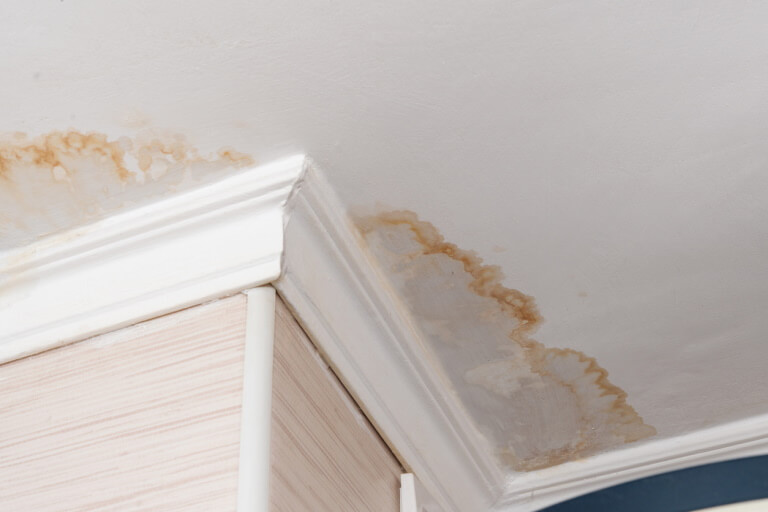
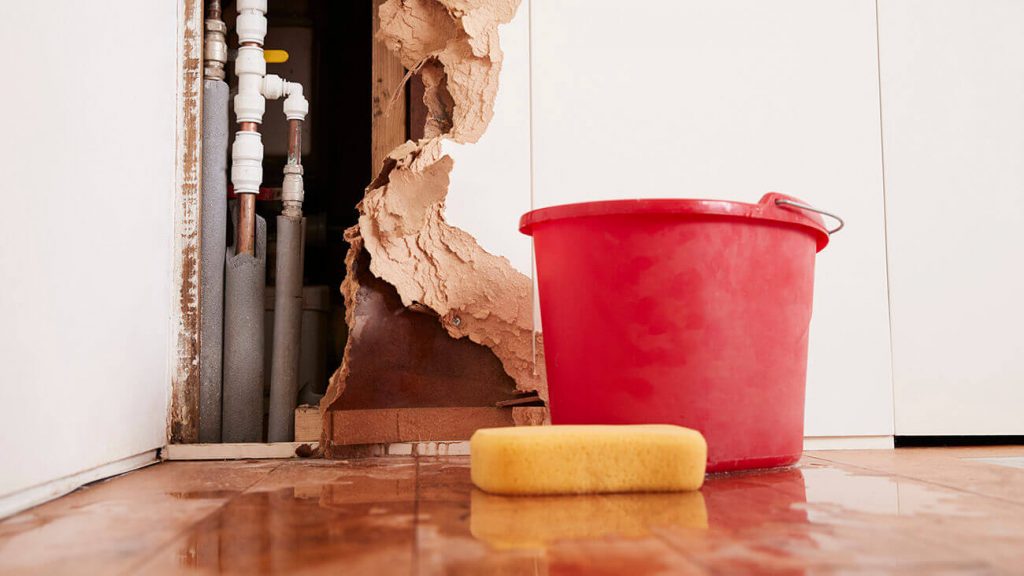
A public adjuster handling a water damage claim documents the source, extent, and category of water intrusion to establish coverage under the policy's water damage provisions, which often include specific exclusions for gradual water intrusion or flood. Because this coverage requires the loss to be sudden and accidental, water claims that developed gradually over time — including those that resulted in the kind of long-term moisture growth generally excluded from coverage — fall outside the scope of what a public adjuster can typically support. Water claims require prompt documentation because damage can progress or become concealed within building materials.
The public adjuster uses experts to help identify the cause of the water event, such as a burst pipe, appliance failure, or storm-driven intrusion, and coordinates documentation of moisture levels and affected materials. This documentation supports both the immediate repair costs and any required mitigation, such as drying equipment, under the applicable policy coverage.
Fire and Smoke Damage
A public adjuster handling a fire or smoke damage claim documents structural fire damage, smoke and soot contamination, and related personal property losses to support the full scope of a fire claim. Fire claims frequently involve both direct fire damage and secondary smoke damage that extends beyond the fire's point of origin.
The public adjuster inventories damaged or destroyed personal property, documents smoke penetration into unburned areas of the structure, and coordinates with fire investigation findings when relevant to coverage. Additional living expense coverage, which reimburses temporary housing costs while the property is uninhabitable, is a common component of fire claims that the public adjuster documents alongside the structural and personal property loss.
Business Interruption Claims
A public adjuster handling a business interruption claim documents lost income and continuing operating expenses resulting from a covered property loss that prevents normal business operations. This claim type requires financial documentation in addition to physical damage evidence.
The public adjuster gathers financial records, such as historical revenue, tax filings, and operating expense statements, and works with expert forensic accountants to calculate the income loss attributable to the covered event and the period required to restore normal operations. Business interruption claims are analyzed alongside the underlying property damage claim, since the policy's business interruption coverage is typically triggered by the same covered loss.
How to Choose a Licensed Public Adjuster
Choosing a licensed public adjuster requires verifying the adjuster's state license and professional associations, matching the adjuster's expertise to the specific claim type, and reviewing the adjuster's track record and contract terms before signing. These three steps confirm that the adjuster is both legally authorized and qualified to handle the claim.
Selecting a public adjuster carries direct financial consequences, since the contract determines the fee percentage and scope of representation for the entire claim.
Verify State Licensing and Professional Associations
Verifying state licensing means confirming that the public adjuster holds an active license issued by the state department of insurance where the claim is being filed. An active license confirms the adjuster has met the state's examination, bonding, and continuing education requirements.
State insurance department websites typically provide a public license lookup tool that shows license status, issue date, and any disciplinary history. Membership in a recognized professional association, such as the National Association of Public Insurance Adjusters, indicates the adjuster has agreed to an established code of ethics, though association membership does not substitute for verifying the underlying state license.
Match Expertise to Your Claim Type
Matching expertise to the claim type means selecting a public adjuster with documented experience handling the specific kind of loss involved, such as fire, water, storm, or business interruption claims. Different claim types require different technical knowledge and documentation methods.
A public adjuster who regularly handles commercial business interruption claims applies different financial documentation methods than one who primarily handles residential water damage claims. Asking a prospective adjuster about recent claims similar in size, cause of loss, and property type helps confirm the adjuster's relevant experience before signing a contract.
Review Track Record, Case Results, and Contract Terms
Reviewing track record, case results, and contract terms means evaluating a public adjuster's claim history and the specific language of the representation agreement before signing. This review determines both the adjuster's likely performance and the policyholder's obligations under the contract.
Prospective clients can request references, review the adjuster's history of settled claims, and confirm the fee percentage, contract duration, and cancellation terms in writing. Contract terms to review include the fee percentage, whether the fee applies to the full settlement or only the amount the adjuster's efforts increase, and any exclusivity clause that limits the policyholder's ability to end the agreement.
Public Adjuster vs. Attorney: Which Do You Need?
Hiring a public adjuster is often a useful step to consider first, since a public adjuster can resolve many claim disputes through documentation and negotiation alone, without the cost or time of a legal proceeding. A public adjuster handles the technical documentation and negotiation of an insurance claim, while an attorney is needed when the dispute involves a legal question, such as a lawsuit against the insurer, bad-faith claims handling, or interpretation of ambiguous policy language in court. The two professionals serve different functions and are sometimes engaged together on the same claim.
A public adjuster's authority is limited to preparing, documenting, and negotiating the claim directly with the insurer; a public adjuster cannot file a lawsuit, represent a client in court, or provide legal advice. When negotiation between the public adjuster and the insurer reaches an impasse, or when the insurer's conduct raises a legal issue such as bad faith or wrongful denial, an attorney who practices insurance or property claims law becomes necessary to pursue formal dispute resolution or litigation. Some claims involve both professionals in sequence, with a public adjuster handling documentation and negotiation first, followed by an attorney if the claim proceeds to litigation.
Not ready to involve an attorney yet? Start with a policy review from Avner Gat, Inc. – hiring a public adjuster first is often the faster, lower-cost path to a fair settlement.
Have Your Policy Reviewed Before You File a Claim
A policy review is an evaluation of an existing insurance policy's coverage terms, limits, and exclusions performed before a claim is filed, so the policyholder understands what the policy covers in advance of a loss. Reviewing the policy before an incident occurs, or immediately after damage happens but before filing, helps identify coverage gaps while there is still time to address them.
A policy review examines the declarations page, coverage forms, endorsements, and exclusions to identify the limits that apply to structural damage, personal property, additional living expenses, and any specialized coverage such as code-upgrade or business interruption provisions. This review also identifies coverage gaps, such as inadequate dwelling limits or missing endorsements, before those gaps affect a claim in progress. Reviewing the policy before filing a claim allows the policyholder to understand the documentation the claim will require and to make an informed decision about whether professional claims representation is appropriate for the loss.
Ready to get started? Request your policy reviewed from Avner Gat, Inc. today. We serve California property owners with 20 years of experience – no retainer, contingent-fee only.
Frequently Asked Questions
What is a public adjuster in insurance?
A public adjuster in insurance is a state-licensed claims professional hired and paid directly by a policyholder to document, prepare, and negotiate a property insurance claim on the policyholder's behalf. The public adjuster represents only the insured's interests, distinguishing this role from adjusters employed or contracted by the insurance company.
How is a public adjuster different from my insurer's adjuster?
A public adjuster is hired and paid by the policyholder and represents the policyholder's interests, while the insurer's adjuster is employed or contracted by the insurance company and represents the insurer's interests. Because each adjuster answers to a different party, their damage assessments and proposed settlements can differ on the same loss.
Can my contractor or roofer handle my claim instead?
A contractor or roofer can provide repair estimates and identify visible damage, but state law generally prohibits contractors from negotiating settlement terms or acting as a policyholder's representative in the claims process unless they hold a public adjuster license. Contractors and public adjusters serve distinct roles: a contractor performs or estimates repairs, while a licensed public adjuster documents the full claim and negotiates directly with the insurer.
How do public adjusters negotiate claims?
Public adjusters negotiate claims by presenting documented evidence of the loss, comparing the insurer's settlement offer against the applicable policy provisions, and submitting supplemental documentation or expert reports to support a settlement consistent with the policy. When the insurer and the public adjuster cannot agree, the discussion can move to formal appraisal, a policy-defined dispute resolution process, or, in some cases, legal action through an attorney — though hiring a public adjuster is generally worth trying first.
Can a public adjuster help after I've already filed a claim?
A public adjuster can be hired after a claim has already been filed, including after receiving a low settlement offer, and can review the existing claim file to identify undervalued or missing damage. Hiring a public adjuster earlier in the process allows more complete documentation before the insurer issues its decision, and a public adjuster can still supplement or negotiate a recent claim already in progress.
Avner Gat, Inc. is licensed by the State of California and has 20 years of experience assisting California property owners with residential and commercial property insurance claims. We do not charge any retainer. We are on a contingent-fee basis only. If we collect money from your insurance carrier for you, we will charge you our agreed percentage.