Loss of Use Claim — West Hollywood, CA
Settlement Results
Case Overview
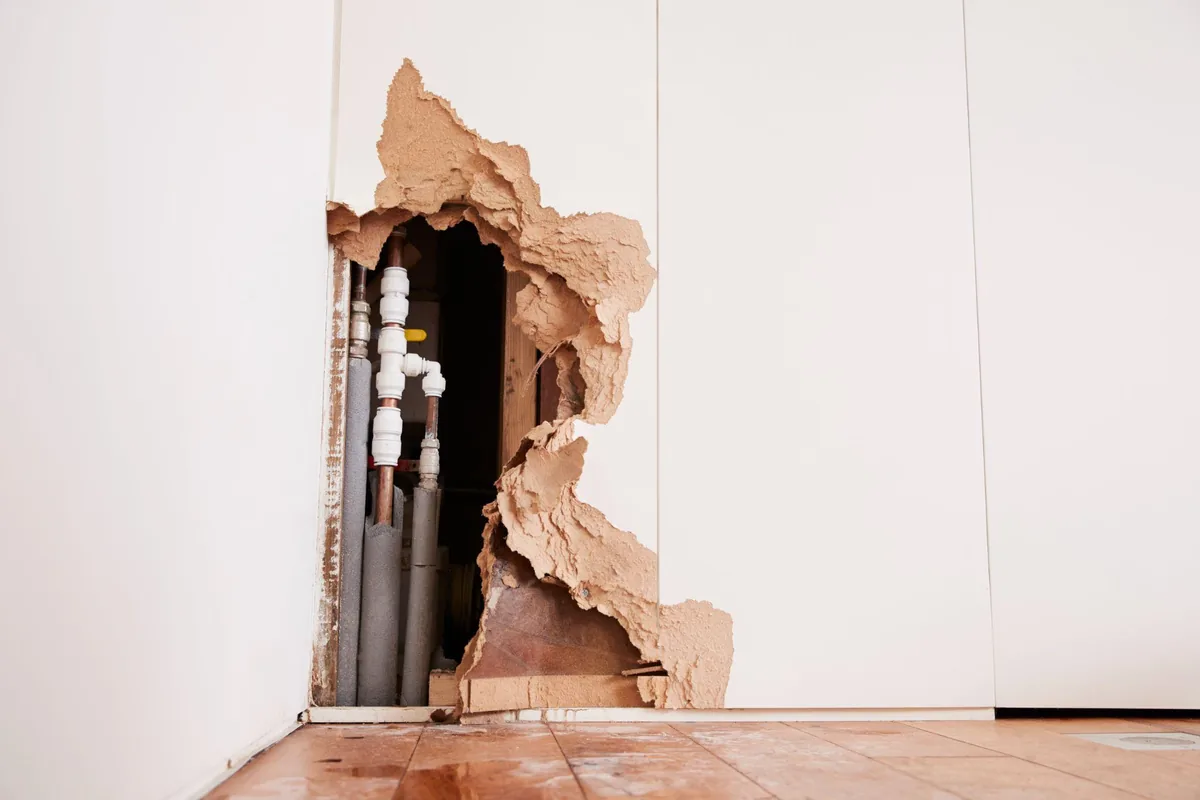
A sewage backup flooded the lower level of a three-story home in West Hollywood in August 2024, damaging engineered wood flooring, custom stairs, kitchen cabinets, and bathrooms. State Farm initially denied the claim, citing excluded tree roots. The homeowners' independent engineer instead identified a reverse osmosis tank without proper backflow protection as the cause, helping overturn the denial before they retained Avner Gat, Inc. State Farm's subsequent repair estimate was approximately $150,000.
When we took on the loss of use claim in December 2024, Robert Cooper brought in a general contractor to prepare an independent repair estimate, documented additional damage discovered during demolition, and submitted supplemental claims to State Farm. We also negotiated a new temporary housing arrangement and reimbursement of the homeowners' $4,000 engineering fee.
The claim closed in August 2026 with approximately $400,000 recovered for repairs and over $1 million in total claim payments, including contents and temporary housing. That total included approximately $270,000 paid before our involvement.
Key Claim Issues
The claim involved several coverage, repair-scope, and temporary housing issues:
- State Farm's initial denial based on excluded tree roots, overturned through the homeowners' independent engineering report before Avner Gat, Inc.'s involvement.
- The difference between State Farm's $150,000 repair estimate and the full scope of property damage.
- Discontinued engineered wood flooring across three levels, complicating the matching of existing finishes.
- Damage to custom stairs, banisters, kitchen cabinets, and multiple bathrooms.
- Additional subfloor and framing damage discovered during demolition.
- Temporary housing complications after the homeowners' rental property was sold.
- State Farm's initial refusal to reimburse the homeowners' $4,000 independent engineering fee.
The Challenge: A $150,000 Repair Estimate and Temporary Housing Disruption
When we became involved, the homeowners had already overturned State Farm's initial denial, but the carrier's repair estimate remained at approximately $150,000. The damage affected continuous engineered wood flooring, custom stairs and banisters, kitchen cabinets, and multiple bathrooms.
The flooring extended across three levels, and the original product had been discontinued. That complicated matching finishes throughout the home. Demolition also revealed additional subfloor and framing damage that had not been included in the initial repair estimate.
The homeowners faced a separate loss-of-use issue when the home they were renting during repairs was sold. The new owners required a one-year lease, putting their temporary housing arrangement at risk. State Farm had also initially refused to reimburse the $4,000 cost of the engineering report that helped overturn the original denial.
The Solution: Repair Estimates, Supplements, and Temporary Housing Negotiations
With the original denial already overturned, we focused on the remaining repair and loss-of-use issues. Robert Cooper coordinated an independent contractor estimate, submitted supplements for newly discovered damage, and negotiated the homeowners' housing and engineering expenses with State Farm.
Establishing an Independent Repair Estimate
We brought in a general contractor to prepare a comprehensive repair estimate. The contractor assessed the work at approximately $430,000, compared with State Farm's initial $150,000 repair estimate.
We used that estimate to challenge the carrier's repair scope. State Farm then brought in its own consulting contractor, whose estimate came in just over $400,000, closely matching our independent estimate.
Submitting Supplements for Hidden Damage
As demolition progressed, we identified additional subfloor and framing damage that had not been included in the earlier repair scope. We documented these findings and submitted multiple staged supplements to State Farm, providing supporting documentation throughout the process.
Negotiating a New Temporary Housing Arrangement
The home the homeowners were renting during repairs was sold, and the new owners required a one-year lease. We negotiated a new temporary housing arrangement with State Farm to ensure the homeowners had continued accommodations while repairs to their property were underway.
Negotiating Reimbursement of the Engineering Fee
The homeowners had paid $4,000 for the independent engineering report that helped overturn State Farm's original denial. The carrier initially refused to reimburse that expense. We pursued reimbursement of the engineering fee during settlement negotiations with State Farm.
The Outcome: Over $1 Million in Total Claim Payments
The claim closed in August 2026 with over $1 million in total insurance payments, including property repairs, contents, and temporary housing. State Farm had paid approximately $270,000 before we became involved in December 2024.
The final repair recovery reached approximately $400,000, about $250,000 above State Farm's initial $150,000 repair estimate. Our independent contractor estimate and supplemental claims helped establish a more complete repair scope, including damage discovered during demolition.
We also secured a new temporary housing arrangement after the homeowners' rental property was sold and negotiated reimbursement of their $4,000 engineering fee. The final resolution addressed both the disputed property repairs and the homeowners' continuing loss-of-use needs.
What This Case Shows About Water Damage and Loss of Use Claims
An overturned insurance claim denial does not necessarily mean the repair estimate covers all the damage. Even after coverage is accepted, the estimate may need further review for discontinued materials, matching finishes, and damage discovered during demolition. Independent contractor estimates and documented supplements can help establish the additional repairs needed.
Loss-of-use coverage also requires attention while repairs are underway. Changes in temporary housing may require further negotiations with the insurer to maintain suitable accommodations. Expenses such as independent engineering fees may also need separate review. Whether these costs are covered depends on the policy and the circumstances of the claim.
Frequently Asked Questions About This Claim
Can I Get My Insurance Claim Denial Overturned?
Yes. An insurance claim denial can be challenged if supporting evidence disputes the insurer's reason for denying coverage. For example, an independent engineering report helped overturn the denial in this case by identifying missing backflow protection, rather than tree roots, as the cause of the sewage backup. This happened before Avner Gat, Inc. became involved. Whether another denial can be overturned depends on the policy terms and available evidence.
What Is a Backup of Sewer and Drain Endorsement, and What Does It Cover?
A backup-of-sewer-and-drain endorsement provides coverage for certain water or sewage backups, subject to the policy's limits, exclusions, and conditions. In this case, State Farm initially attributed this loss to excluded tree roots and limited payment under a low policy sublimit. The homeowners' independent engineering report challenged that determination and helped overturn the denial.
Will My Insurance Company Reimburse Me for Hiring My Own Engineer or Contractor?
Reimbursement may be possible, depending on the policy and the circumstances of the expense. In this case, the homeowners paid $4,000 for an independent engineering report that helped overturn the denial. State Farm initially refused reimbursement, but we negotiated payment of the engineering fee as part of the final settlement. Reimbursement of an independent contractor's fees must be evaluated separately.
What Happens if My Temporary Housing Situation Changes While My Claim Is Still Open?
A change in temporary housing may require a new arrangement with your insurance company, depending on your loss-of-use coverage and continued need for accommodations. When the homeowners' rental property was sold and the new owners required a one-year lease, we negotiated a new housing arrangement with State Farm. The availability and duration of temporary housing benefits depend on the policy.
Is Your Water Damage Claim Still Unresolved?
Even after coverage is accepted, repair costs and temporary housing benefits may remain in dispute. If your claim involves either issue, Avner Gat, Inc. can review the carrier's position, repair documentation, and applicable policy benefits. Speak directly with our team to discuss your situation and understand your options. Call (818) 917-5256.